Let’s be honest for a moment. When you water your garden, are you responding to what your plants actually need—or are you guessing based on the weather, the calendar, or how dry the surface looks?
Most of us water by instinct. If the sun is out, we water more. If the soil looks dry, we grab the hose. But beneath the surface, plants are often swimming in excess moisture—or quietly suffering from drought.
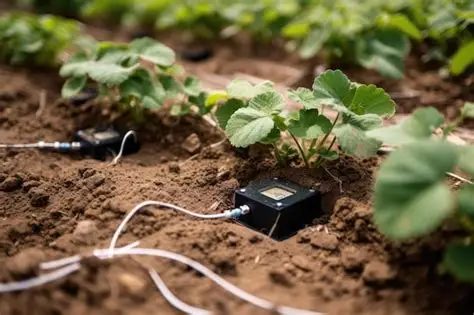
This is where soil sensors change the game. Soil sensors are not just smart gardening gadgets. They are precision tools that remove guesswork, reduce water waste, and replace instinct with data-driven decisions.
Why Water Waste Starts in the Garden
Water waste rarely looks dramatic. It happens slowly—one unnecessary watering cycle at a time.
The Myth of “More Water Is Better”
More water does not equal healthier plants. In fact, overwatering often causes more harm than neglect.
- Suffocates plant roots
- Leaches nutrients from the soil
- Encourages fungal disease
- Increases water bills without improving growth
Why Visual Soil Checks Are Misleading
Dry soil on the surface doesn’t always mean dry soil at root level. Evaporation, mulch, and soil composition distort what we see. Plants live below ground. Yet most watering decisions are made above it.
What Are Soil Sensors?
Soil sensors are tools that measure underground conditions and translate them into readable data.
Most modern soil sensors track:
- Soil moisture levels
- Soil temperature
- Electrical conductivity (nutrient availability)
Some advanced models also estimate salinity, pH trends, and evapotranspiration. Think of a soil sensor as a fitness tracker for your garden. You wouldn’t manage your health by guessing—your plants deserve the same care.
How Soil Sensors Prevent Water Waste
The biggest advantage of soil sensors is precision.
Watering Only When Soil Needs It
Instead of following rigid schedules, soil sensors respond to real-time conditions.
You water:
- Only when moisture drops below optimal levels
- Only for as long as needed
- Only where moisture is lacking
This alone can reduce water usage by 20–50 percent.
Stopping Overwatering Automatically
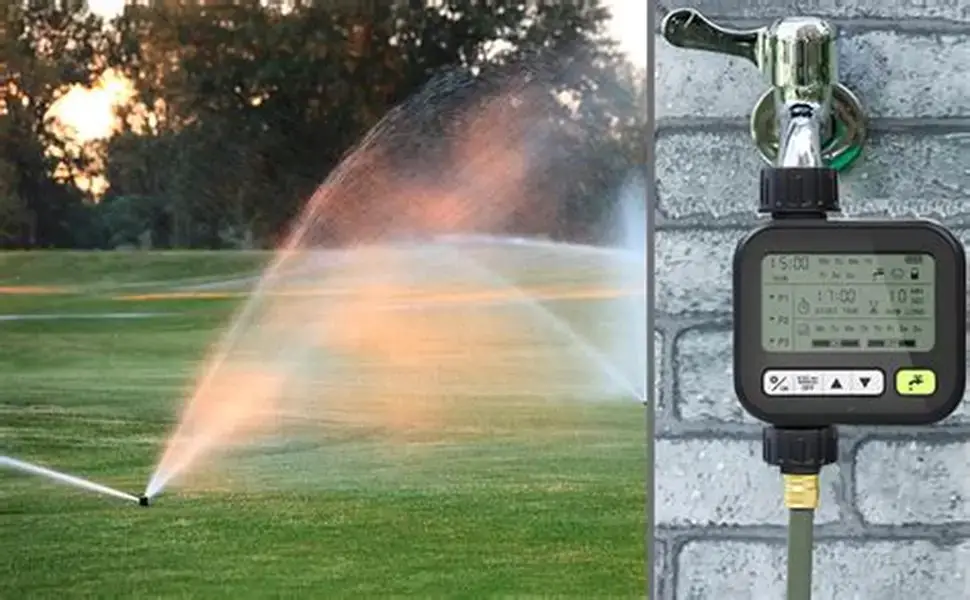
When connected to irrigation systems, soil sensors can stop watering cycles once the soil reaches adequate moisture.
No runoff. No saturation. No waste.
Types of Soil Sensors You’ll Encounter
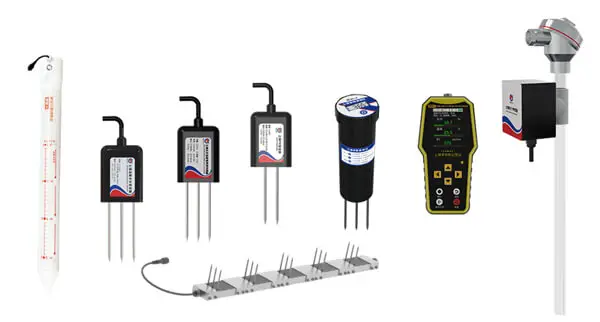
Basic Moisture Sensors
Simple, affordable, and ideal for beginners.
Best for:
- Home gardens
- Potted plants
- Raised beds
Smart Wireless Soil Sensors
These connect to mobile apps and often sync with weather data.
- Moisture history tracking
- Smart alerts
- Multi-zone monitoring
Professional Soil Monitoring Systems
Used in agriculture and landscaping, these systems automate irrigation using high-resolution soil data. While excessive for most home gardens, they show where the technology is heading.
A Practical Insight Most Articles Miss
Soil sensors don’t save water because they are “smart.” They save water because they remove emotion from decision-making. No second-guessing. No overcompensation after a hot day. Consistency—not enthusiasm—is what reduces waste.
Do Soil Sensors Improve Plant Health?
Stronger Roots and Better Growth
Maintaining optimal moisture levels allows roots to grow deeper and stronger. This improves drought tolerance and nutrient uptake.
Lower Risk of Disease
Many plant diseases thrive in saturated soil. Soil sensors prevent prolonged wet conditions that lead to rot and fungal infections.
Are Soil Sensors Worth the Cost?
Cost vs. Long-Term Savings
While soil sensors require an upfront investment, they reduce:
- Water bills
- Fertilizer waste
- Plant replacement costs
For medium to large gardens, they often pay for themselves.
Peace of Mind
Knowing your garden is watered correctly—even when you’re away—has value beyond money.
Using Soil Sensors Effectively
Soil sensors work best when paired with good gardening habits.
- Place sensors at root depth
- Track trends, not single readings
- Adjust thresholds seasonally
Why Soil Sensors Matter Beyond Your Garden
At scale, soil sensors reduce strain on water systems and support sustainable landscaping. Small measurements underground can lead to large conservation gains.
The Future of Soil Sensors
Expect smarter integrations, AI-driven recommendations, and more affordable sensors for everyday gardeners. The future garden won’t just grow—it will adapt.
Conclusion
Your plants have always been communicating. Soil sensors simply help you listen. They replace guesswork with clarity, waste with efficiency, and instinct with insight. Sometimes the best gardening advice isn’t “water more” or “water less.” It’s measure first.
Frequently Asked Questions
How do soil sensors prevent water waste?
They measure real-time soil moisture and stop watering when the soil already has enough water.
Can soil sensors work with drip irrigation?
Yes. Many models integrate directly with drip and sprinkler systems.
Are soil sensors hard to install?
Most consumer soil sensors are plug-and-play.
Do soil sensors work for indoor plants?
Yes, especially for houseplants prone to overwatering.
How accurate are soil moisture sensors?
They are highly effective for trend monitoring and irrigation decisions.
thank you