If you’ve ever rinsed a plastic bottle, dropped it into the recycling bin, and felt a small sense of victory, you’re not alone. For years, recycling has been marketed as the ultimate solution to plastic waste. But here’s the uncomfortable truth: most plastic is never recycled, and much of what we throw away still ends up in landfills, waterways, or the ocean.
That’s where a new generation of digital tools comes in.
Plastic footprint tracking apps are shifting the conversation from “What do I throw away?” to “What am I consuming in the first place?” Instead of focusing on the bin, these apps focus on your habits, mapping your plastic footprint and—most importantly—suggesting realistic swaps you can actually stick to.
This article argues that plastic footprint apps are powerful not because they shame users, but because they translate invisible consumption into visible data, then turn that data into practical, personalized action.
What Is a Plastic Footprint—and Why Should You Care?
Your plastic footprint is the total amount of plastic you consume and discard over a given period—daily, monthly, or annually. This includes items you notice and many you don’t.
- Single-use packaging such as water bottles and sachets
- Household containers like detergent and toiletries
- Food packaging from takeaways and groceries
- Hidden plastics such as labels, linings, and microplastics
Think of it like a carbon footprint, but closer to home. These apps exist to answer questions many people are actively searching for: What is my plastic footprint? How do I calculate it? And how do I reduce it?
How Plastic Footprint Tracking Apps Actually Work
1. They Make You Track What You Use
Some apps require manual logging, similar to keeping a food diary. Others estimate your footprint using quizzes based on lifestyle and shopping habits. Either way, awareness is the first catalyst for change.
2. They Translate Behavior Into Data
Instead of vague feelings, you see numbers:
- Weekly single-use plastic count
- Estimated plastic waste weight
- Comparisons with national or global averages
Data turns abstract concern into something concrete.
3. They Suggest Better Alternatives
The best plastic footprint apps don’t just say “use less plastic.” They recommend specific swaps you can apply immediately.
- Reusable bottles instead of bottled water
- Refill packs replacing sachet products
- Loose produce over pre-packaged food
Popular Plastic Footprint Apps You Can Download Today

Many people ask where to download plastic footprint tracking apps. Most are available on both Android and iOS platforms.
My Little Plastic Footprint
Often searched as “what is my little plastic footprint,” this app focuses on simplicity. It allows daily tracking, visual progress reports, and beginner-friendly guidance.
Plastic Diary-Style Apps
These apps function like journals, allowing you to log plastic items as you use them. Over time, patterns emerge that highlight problem areas.
Action-Driven Sustainability Apps
Some apps combine tracking with community challenges, eco-friendly brand suggestions, and progress rewards—ideal for users motivated by accountability.
The Real Power Isn’t Tracking—It’s the Swaps
Here’s the uncomfortable truth: tracking alone doesn’t reduce plastic waste. Change only happens when tracking leads to action.
What Makes a “Real” Swap?
- Accessible locally
- Affordable
- Convenient enough to repeat
- Aligned with your lifestyle
A swap only works if it fits real life.
Calculating Your Plastic Footprint Without the Overwhelm
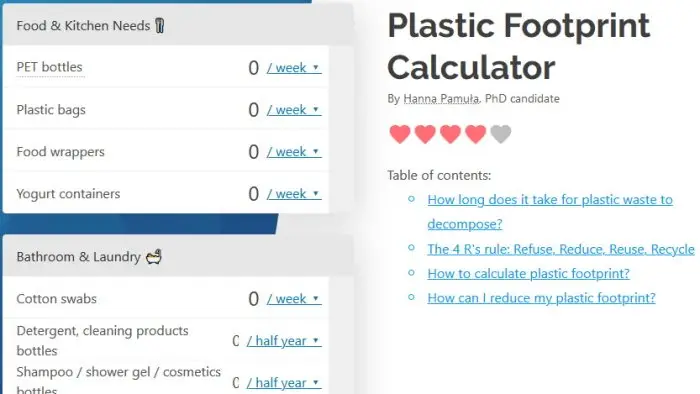
No app calculates plastic use with perfect accuracy—and that’s fine. The value lies in trends, not precision.
Most apps estimate footprints using self-reported data and average plastic weights. The goal is to see improvement over time, not chase perfection.
Why Plastic Tracking Feels Uncomfortable at First
Plastic tracking often feels more confronting than carbon tracking because it’s personal. You see the evidence in your shopping bag.
But once the discomfort fades, users often report feeling more intentional, spending less on wasteful packaging, and influencing others through example.
Do Plastic Footprint Apps Actually Reduce Waste?
Yes—when used correctly.
- Focus on one habit at a time
- Choose realistic swaps
- Measure progress monthly
- Use the app as a guide, not a judge
Beyond the Individual: Why These Apps Matter
When aggregated, user data highlights packaging problems, refill gaps, and brand behavior. Some platforms already use this information to support advocacy and sustainable product design.
The Future of Plastic Footprint Tracking
Expect smarter features such as barcode scanning, AI-powered recommendations, refill alerts, and deeper integration with shopping habits.
Conclusion
Plastic footprint apps don’t demand perfection. They encourage awareness, consistency, and progress. Beyond the bin lies a smarter way to consume—one small, practical swap at a time.
Frequently Asked Questions
What is a plastic footprint?
It measures the amount of plastic you consume and discard over time, especially single-use items.
Are plastic footprint apps free?
Most offer free versions with optional premium features.
Which apps help reduce single-use plastic the most?
Apps that combine tracking with actionable swap recommendations are the most effective.
Do these apps work globally?
Yes, though effectiveness depends on whether they account for local infrastructure.
Is tracking better than Recycling?
Tracking reduces waste at the source, while recycling manages waste after use. Both matter.