Wearable technology is increasingly helping seniors keep track of their health, stay active, and get timely help in emergencies. From smartwatches that monitor heart rate and activity levels to medical alert devices that detect falls, these tools offer real-time health data and reassurance for both seniors and their caregivers.
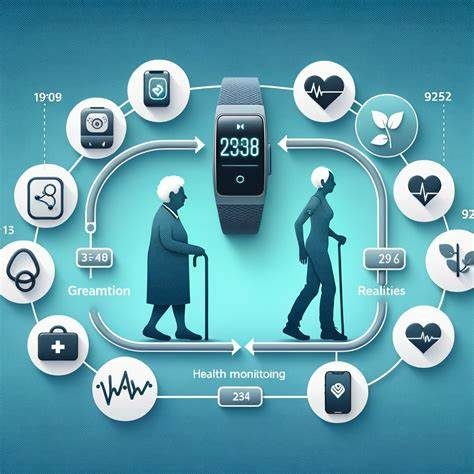
How AI-powered assistants are making life easier for seniors goes beyond health tracking. These assistants help manage daily tasks by providing reminders for medications and appointments, enable hands-free communication through voice commands, and offer companionship to reduce feelings of isolation. In urgent situations, AI assistants can quickly connect seniors to emergency services or family members, enhancing both safety and independence.
1. Smartwatches for Health Monitoring
Smartwatches like the Apple Watch, Samsung Galaxy Watch, and Fitbit Sense are excellent for tracking vital signs. They monitor heart rate, detect irregular rhythms, and even measure blood oxygen levels. Some models include fall detection and emergency SOS features, automatically calling for help if needed. These devices help seniors manage chronic conditions and respond to health concerns quickly.
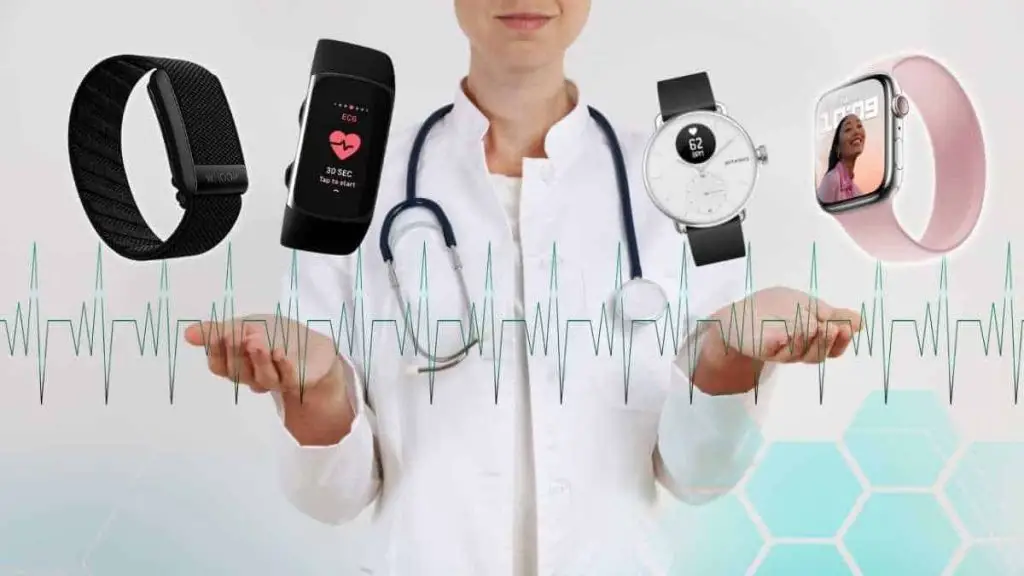
The best wearable devices for sleep tracking and improvement provide detailed insights into sleep patterns, helping seniors understand and improve their rest quality—an essential factor for overall health and well-being.
2. Medical Alert Wearables
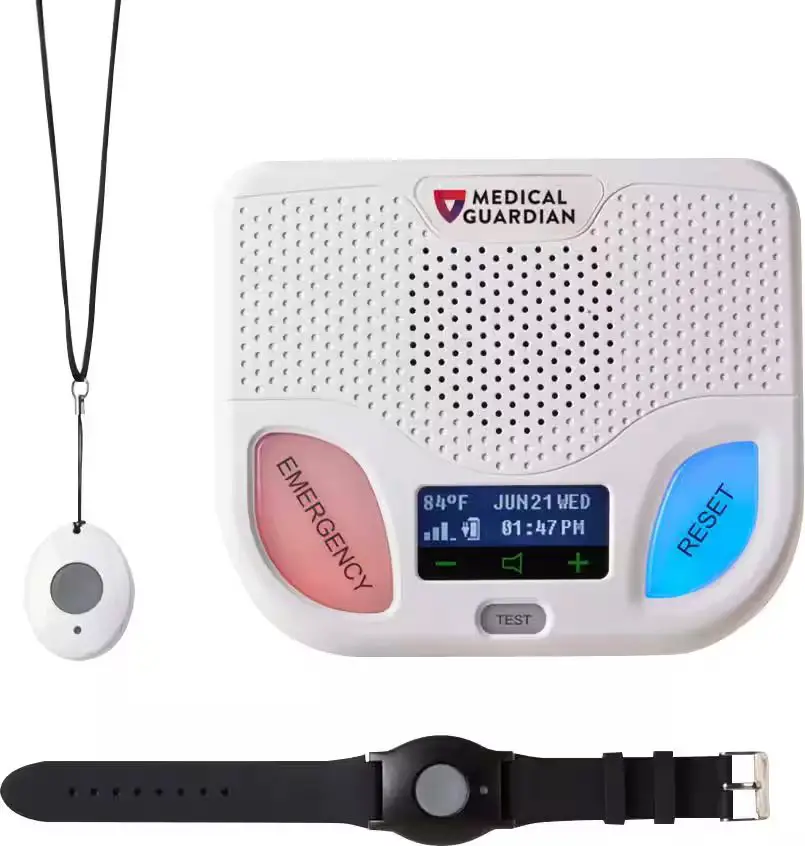
Medical alert devices, such as Life Alert, MobileHelp, and Bay Alarm Medical, provide emergency assistance with the press of a button. Worn as a bracelet or pendant, they connect seniors to emergency responders or caregivers in case of falls or medical emergencies. Many models now include GPS tracking, ensuring quick assistance even when seniors are away from home.
How wearable technology in the workplace is enhancing productivity highlights the broader impact of these devices beyond health monitoring. Wearables help employees track performance, manage tasks, and maintain safety, showcasing the growing role of smart technology in improving daily work life.
3. Wearable Blood Pressure and Glucose Monitors
Managing conditions like hypertension and diabetes is easier with wearable health monitors.
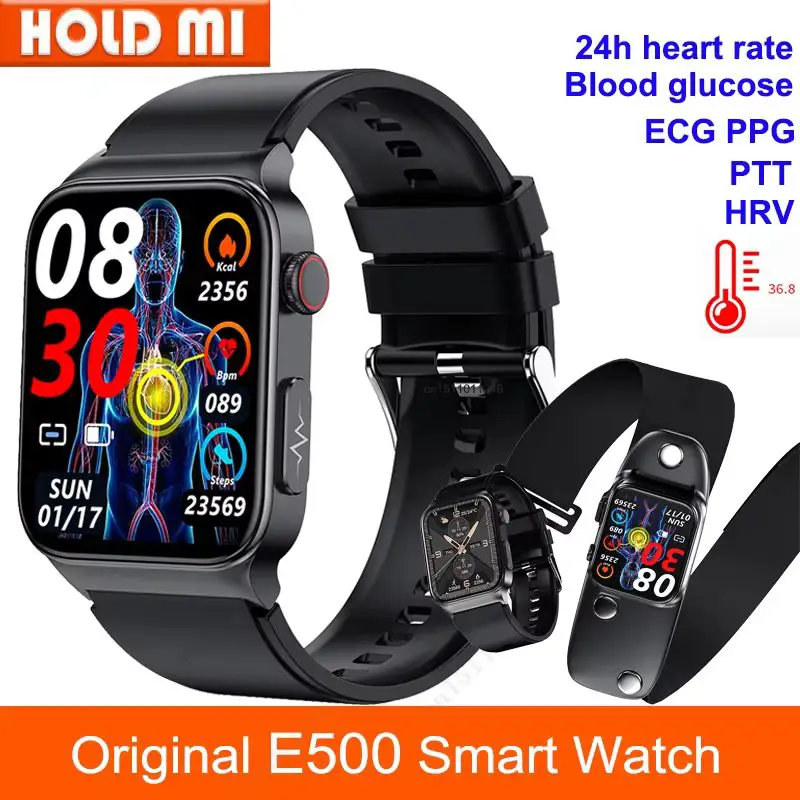
Read More: The Evolution of Wearable Technology: From Pedometers to Smart Rings
Devices like Omron HeartGuide measure blood pressure directly from the wrist, while continuous glucose monitors (CGMs) such as the FreeStyle Libre or Dexcom G6 track blood sugar levels without finger pricks. These wearables help seniors maintain their health with real-time updates and alerts.
4. Fitness Trackers for Active Aging
Staying active is crucial for senior health, and fitness trackers like Fitbit, Garmin, and Amazfit encourage movement by tracking steps, sleep patterns, and activity levels.
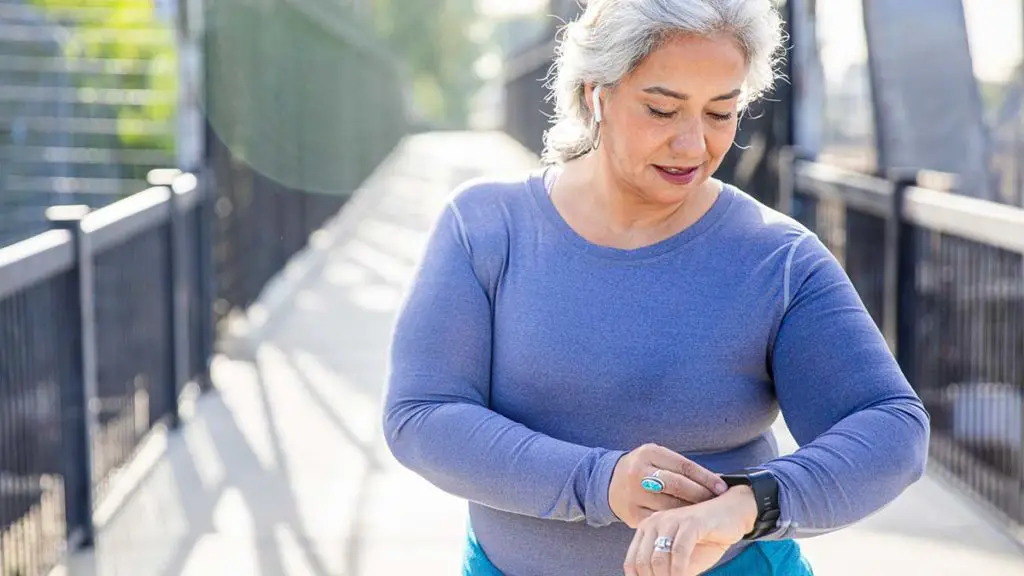
Some models remind users to move, helping them maintain an active lifestyle. These devices also offer stress monitoring and guided breathing exercises for relaxation.
5. Smart Hearing Aids and Vision Aids
Wearable hearing aids like Eargo and Phonak improve hearing with smart noise reduction and Bluetooth connectivity, making phone calls and conversations clearer.
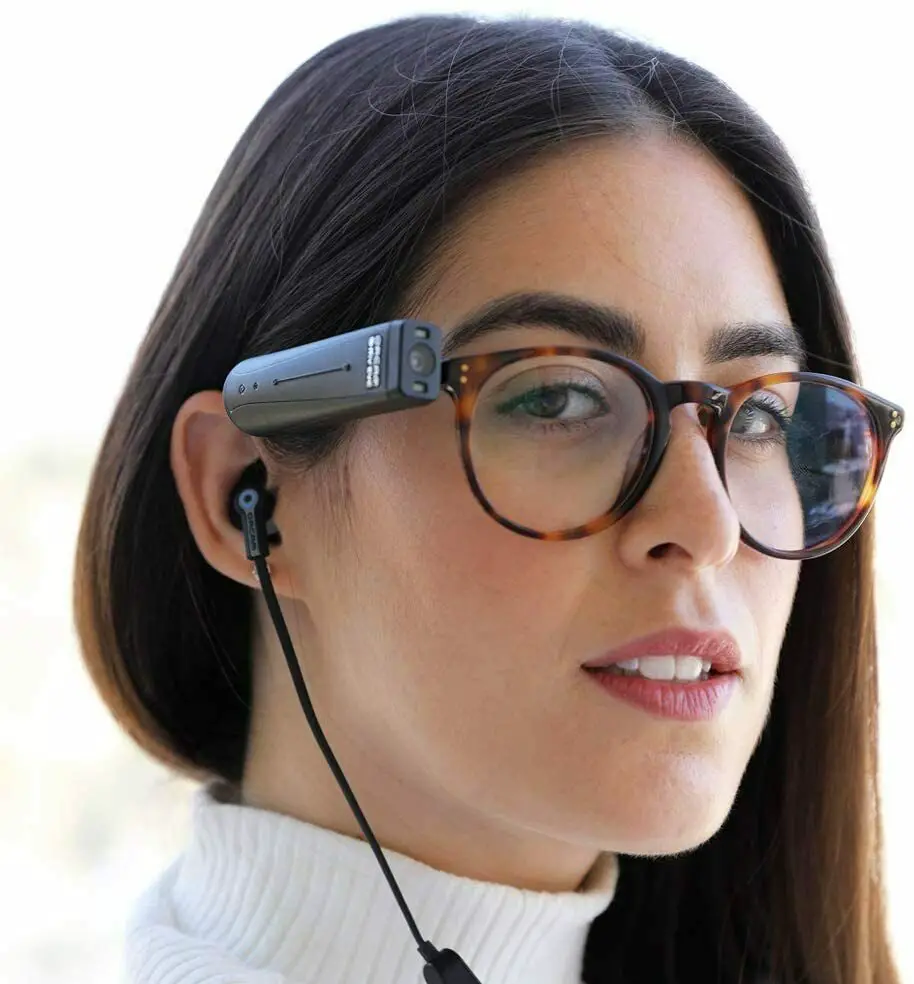
Smart glasses, such as Envision Glasses, assist those with vision impairments by reading text aloud and recognizing faces.
With advancements in wearable technology, seniors can monitor their health, stay safe, and maintain independence like never before. These devices are transforming elderly care, ensuring older adults live healthier and more connected lives.