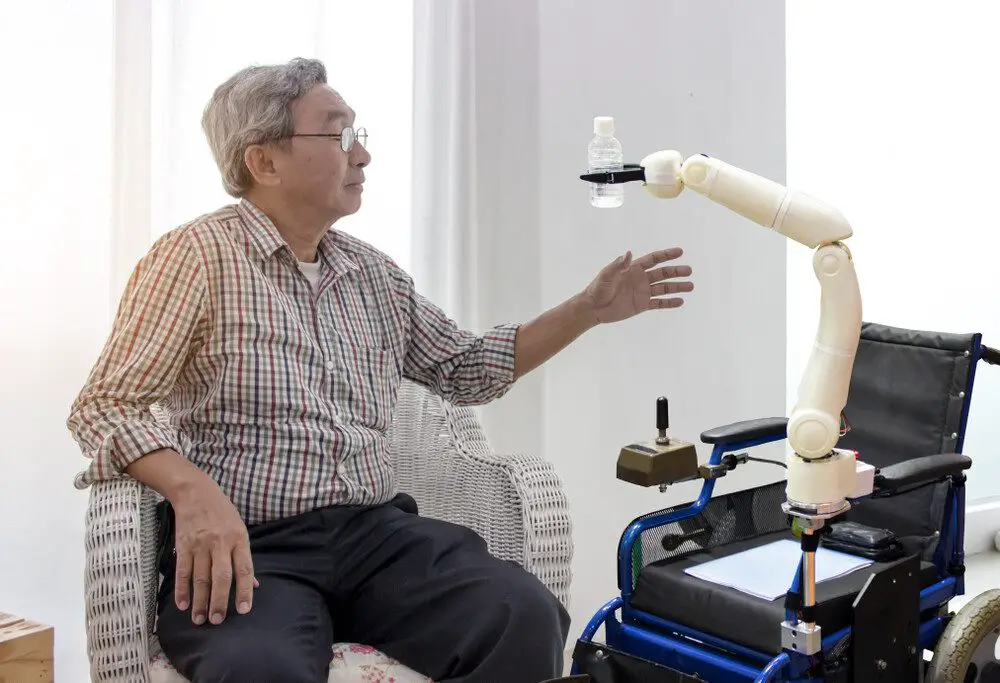
AI-powered assistants are transforming the lives of seniors by providing hands-free assistance, improving safety, and enhancing daily routines. Devices like Amazon Alexa, Google Assistant, and Apple’s Siri are becoming essential tools for older adults who want to maintain independence while staying connected and secure.
The best wearable devices for sleep tracking and improvement help seniors monitor their sleep quality, identify patterns, and receive personalized recommendations to promote better rest—an important factor for overall health and well-being.
1. Seamless Communication
Staying connected with loved ones is easier with AI assistants. Seniors can make phone calls, send messages, or start video chats using simple voice commands. This eliminates the need to navigate small buttons or screens, which can be challenging for those with mobility or vision impairments. AI assistants can also read messages aloud and transcribe spoken words into text, making digital communication more accessible.

How wearable technology in the workplace is enhancing productivity demonstrates how these devices improve task management, monitor employee health, and foster safer working environments—highlighting their growing importance beyond personal use.
2. Medication and Health Reminders
Remembering to take medications or attend doctor’s appointments can be difficult, but AI assistants help by providing scheduled reminders. They can track daily routines, ensuring seniors don’t miss essential medications, hydration breaks, or exercise sessions. Some advanced systems even integrate with medical devices to monitor health conditions and send alerts when needed.

The evolution of wearable technology: from pedometers to smart rings showcases how these devices have advanced from simple step counters to sophisticated gadgets that monitor a wide range of health metrics, offering greater convenience and deeper insights for seniors managing their wellness.
3. Smart Home Convenience
AI-powered assistants can connect to smart home devices, allowing seniors to control lighting, thermostats, and appliances with their voice.
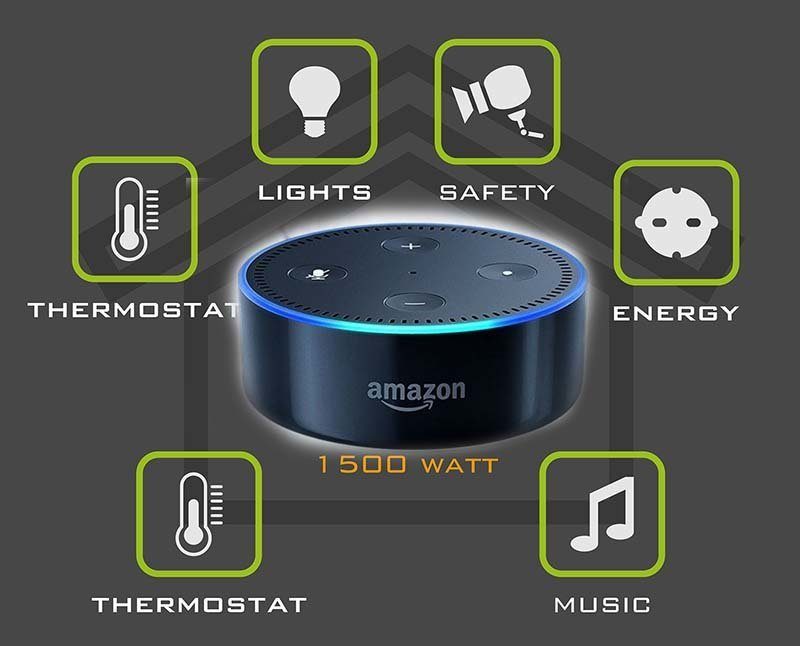
This feature is especially useful for those with arthritis or mobility challenges, as it removes the need to physically adjust switches or dials. Smart locks and security systems can also be controlled remotely, ensuring home safety with minimal effort.
4. Safety and Emergency Support
Many AI assistants can be paired with fall detection sensors and emergency response systems, ensuring immediate help is available if needed.
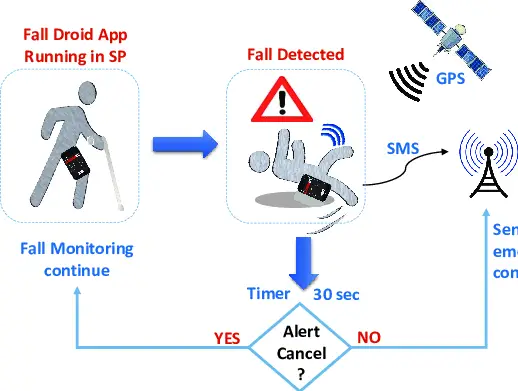
They can also monitor unusual activity, such as an open door late at night, and alert caregivers or emergency services when necessary. These features provide peace of mind for both seniors and their loved ones.
5. Entertainment and Cognitive Engagement
AI assistants offer access to audiobooks, music, news, and games, keeping seniors entertained and mentally engaged.

They can answer questions, tell stories, and even provide companionship, helping to reduce feelings of loneliness and isolation.
As AI technology continues to evolve, these assistants will become even more intuitive, offering seniors greater independence and security in their daily lives.