AI-powered assistants are becoming essential tools for seniors, offering convenience, safety, and companionship. Devices like Amazon Alexa, Google Assistant, and Apple’s Siri help older adults manage daily tasks, stay connected with loved ones, and enhance their independence.
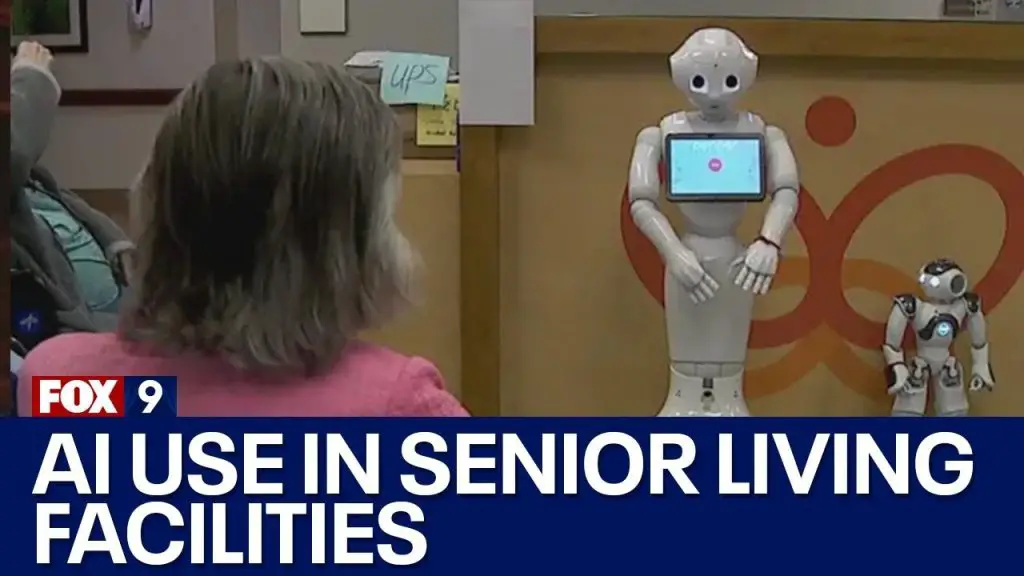
The best wearable tech for elderly health monitoring complements these assistants by providing continuous tracking of vital signs, activity levels, and emergency alerts—helping seniors and caregivers stay informed and proactive about health.
1. Hands-Free Communication
AI assistants simplify communication by allowing seniors to make phone calls, send messages, and start video chats using voice commands. This is especially beneficial for those with mobility challenges or vision impairments, eliminating the need to navigate small screens or buttons.
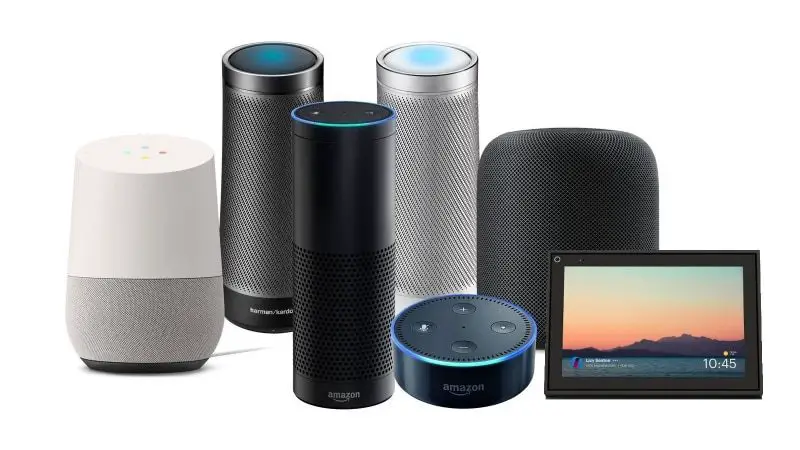
How AI-powered assistants are making life easier for seniors extends beyond communication—these tools also help with reminders, information retrieval, and emergency support, enhancing daily living and independence.
2. Medication and Health Reminders
Remembering to take medication or attend doctor’s appointments can be difficult, but AI assistants help by providing scheduled reminders. Seniors can set alerts for medication times, hydration, or exercise, ensuring they stay on top of their health routines. Some advanced systems even integrate with medical devices for real-time health monitoring.
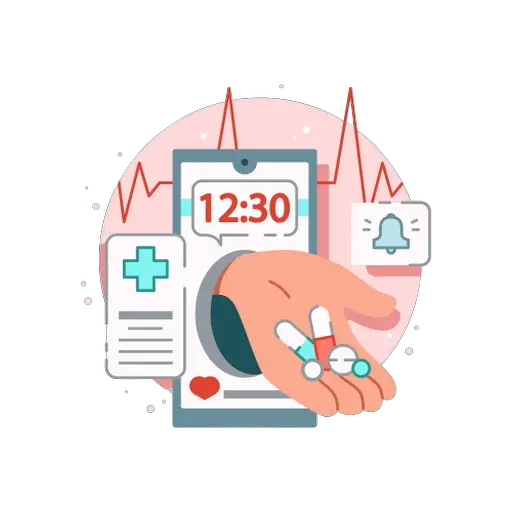
The best wearable devices for sleep tracking and improvement offer seniors insights into their sleep patterns and provide recommendations to enhance rest quality, which is crucial for overall health and well-being.
3. Smart Home Control
AI assistants can be connected to smart home devices, allowing seniors to control lights, thermostats, and appliances with their voice.
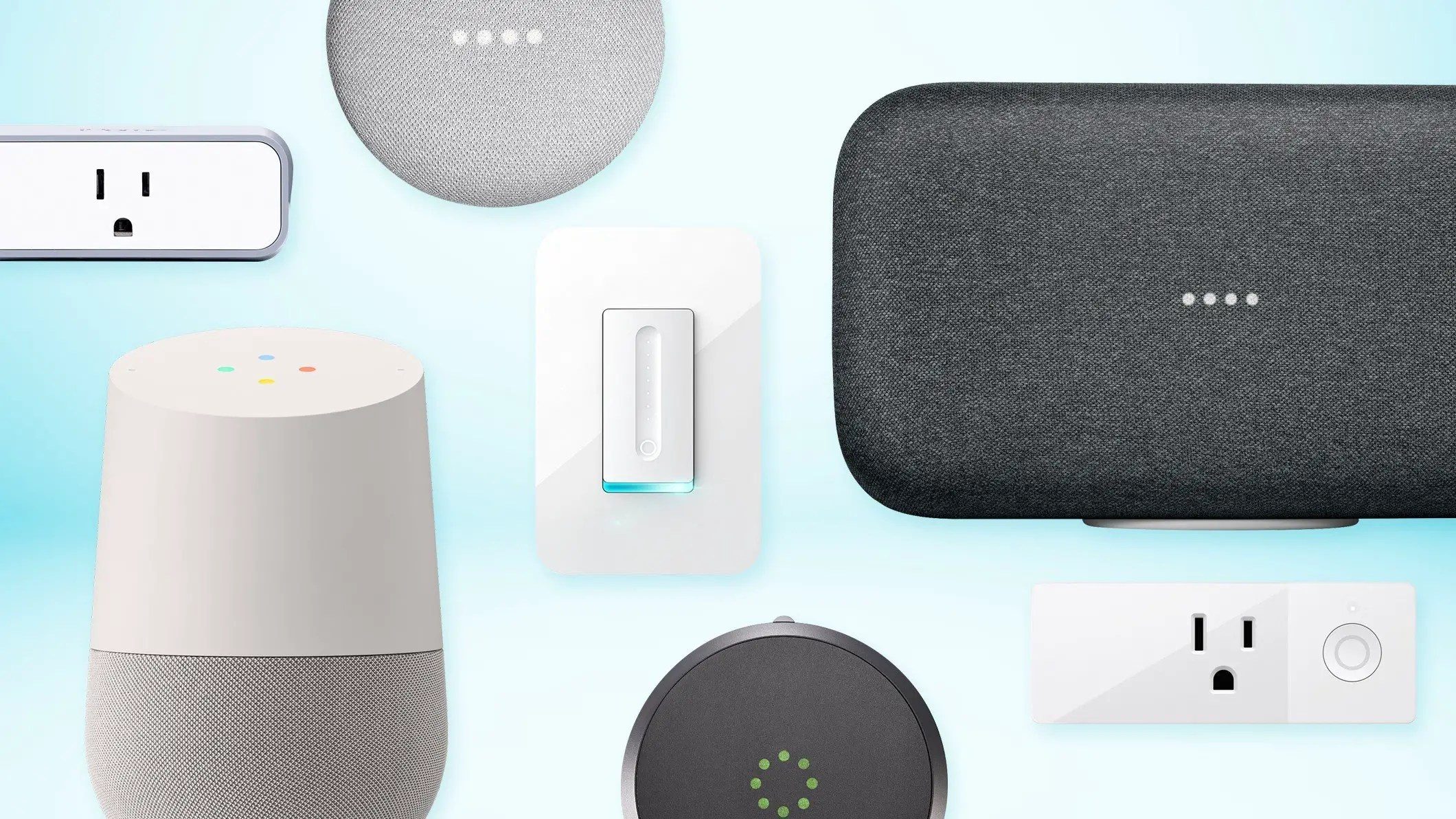
This feature is particularly useful for individuals with arthritis or mobility limitations, reducing the need for physical effort. Smart locks and security systems can also be managed remotely, increasing home safety.
4. Safety and Emergency Assistance
Many AI assistants can be paired with fall detection sensors and emergency response systems.
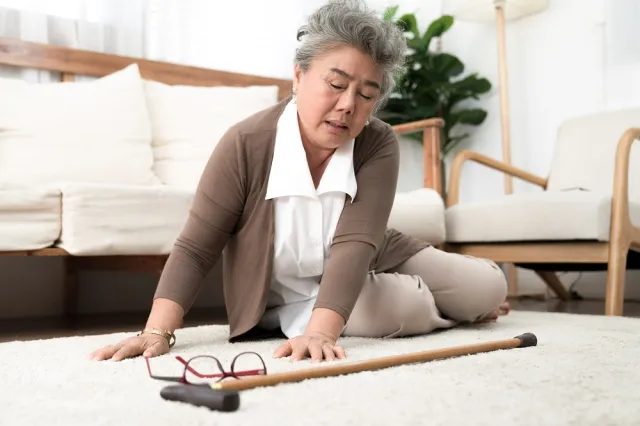
If a fall or unusual activity is detected, alerts can be sent to caregivers or emergency services. AI-powered cameras and motion sensors can also monitor daily activity patterns and send alerts if something seems off.
5. Entertainment and Mental Stimulation
AI assistants provide easy access to audiobooks, music, news, and games, keeping seniors entertained and engaged.
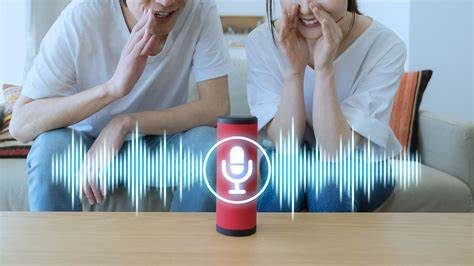
They can also answer questions, tell jokes, and even provide companionship, reducing loneliness and enhancing mental well-being. Some AI assistants offer brain-training exercises to support cognitive health.
AI-powered assistants are reshaping the way seniors live by offering greater independence, safety, and engagement. As technology continues to evolve, these tools will become even more intuitive, making life easier and more enjoyable for older adults.