Home automation has transformed modern living, making homes more efficient, secure, and convenient. However, as smart technology becomes more integrated into daily life, ethical concerns surrounding privacy and security continue to grow. While smart home devices offer many benefits, they also collect vast amounts of personal data, raising questions about how that data is used, stored, and protected.
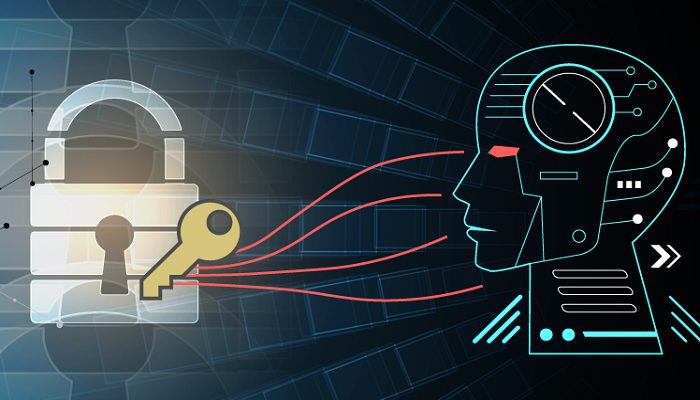
In addition to these concerns, the choice of smart home assistant plays a significant role in shaping the user experience. Alexa, Google Assistant, and Siri each offer distinct advantages—Alexa is known for its wide compatibility with various smart devices, Google Assistant excels in answering queries with accurate search capabilities, and Siri integrates seamlessly with Apple products. Selecting the best assistant depends largely on the user’s ecosystem of devices and personal preferences, making this decision an important part of adopting home automation technology.
Privacy Risks in Smart Homes
Smart home devices, such as voice assistants, security cameras, and smart thermostats, continuously collect data to improve their functionality. While this enhances user experience, it also creates privacy concerns. Companies collect information on user behavior, preferences, and even conversations, leading to fears of surveillance and unauthorized data sharing. Many companies claim to use data only for improving services, but data breaches and unauthorized access remain significant risks. For instance, some smart doorbells and cameras have been hacked, allowing outsiders to spy on homeowners. Additionally, data collected by smart assistants could be shared with third parties, including advertisers, without users fully understanding the implications.
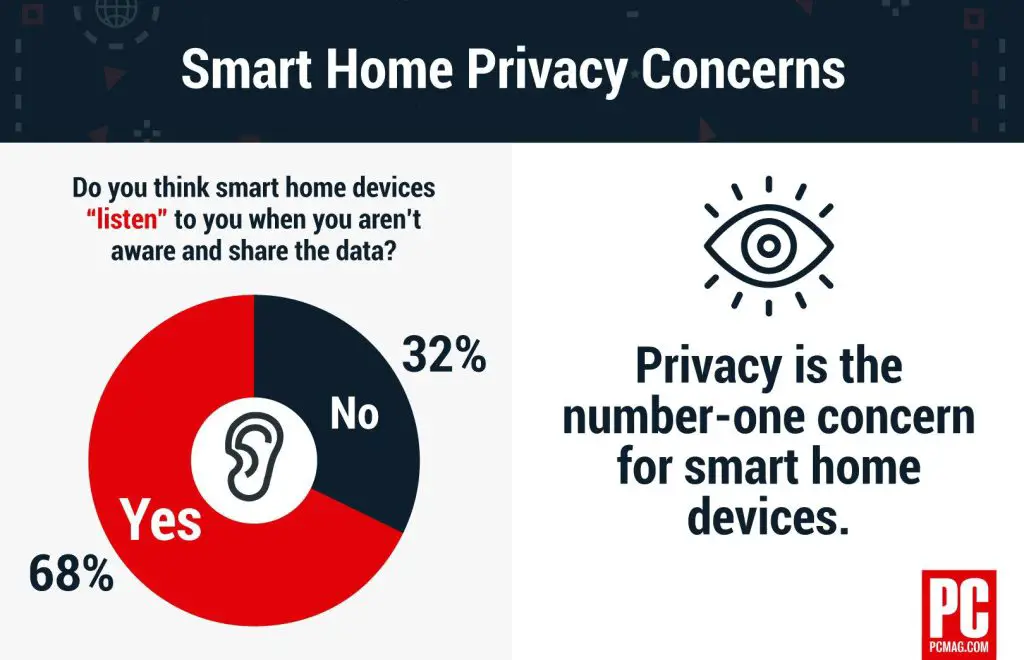
Despite these concerns, smart home technology also offers meaningful benefits, particularly for people with disabilities. Voice-controlled devices, automated lighting, adjustable thermostats, and smart locks can greatly enhance independence and ease of living for individuals with mobility, vision, or cognitive challenges. These features allow users to control various aspects of their home environment without physical effort, improving safety, comfort, and overall quality of life. As such, the potential of smart homes to assist people with disabilities highlights the importance of balancing innovation with strong data protection measures.
Security Risks in Home Automation
Cybersecurity is another major concern with smart home technology. As more devices connect to the internet, the risk of hacking increases. If a hacker gains access to a smart home network, they could control critical functions like security cameras, locks, and alarm systems, posing a serious threat to homeowners. Weak passwords, outdated software, and unsecured networks make smart homes vulnerable. Many users fail to update their devices regularly, leaving them exposed to cyber threats.
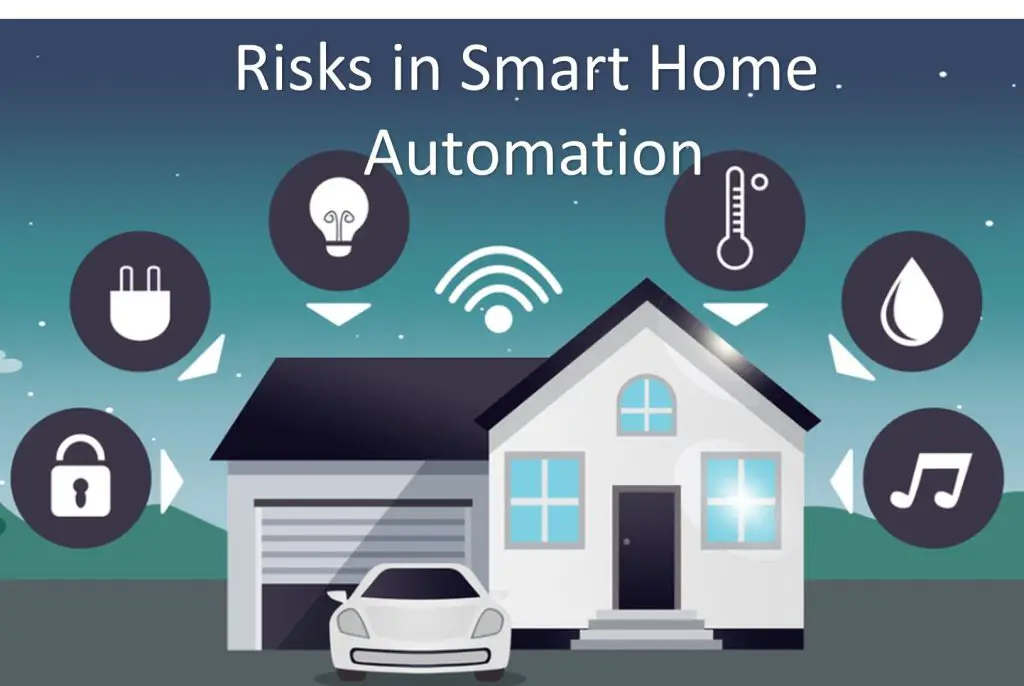
This vulnerability is closely linked to the expanding role of the Internet of Things (IoT) in home automation. IoT allows a wide range of devices—such as smart lights, thermostats, appliances, and security systems—to communicate and work together, creating a seamless and automated living environment. While this interconnectedness offers enhanced convenience and efficiency, it also increases the potential points of entry for cyberattacks. Understanding how IoT operates within home automation is essential for users who want to enjoy the benefits of a smart home without compromising on security.
How to Protect Your Smart Home
- Use strong, unique passwords – Avoid default passwords and regularly update credentials.
- Enable two-factor authentication (2FA) – Adds an extra layer of security.
- Update firmware regularly – Keeps devices protected from newly discovered vulnerabilities.
- Limit data sharing – Review privacy settings and restrict unnecessary data collection.
Conclusion
Home automation brings convenience but also raises ethical concerns about privacy and security. While smart technology continues to evolve, homeowners must take steps to secure their data and devices. Tech companies must also implement stricter security measures and transparent data policies to ensure users can trust the devices that control their homes.