Sleep is essential for overall health, and wearable technology has made it easier than ever to monitor and improve sleep quality. From smartwatches to specialized sleep trackers, these devices provide insights into sleep patterns, helping users make data-driven adjustments for better rest.
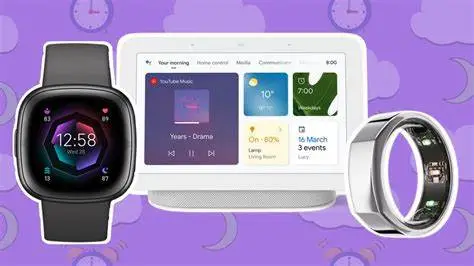
How wearable technology in the workplace is enhancing productivity highlights the growing role of wearables in improving employee efficiency, health monitoring, and safety—demonstrating the broad impact of these innovations beyond personal wellness.
What Makes a Good Sleep Tracker?
A high-quality sleep tracker should monitor key metrics like sleep duration, sleep stages (light, deep, and REM sleep), heart rate variability, and blood oxygen levels. Advanced trackers also offer features like sleep coaching, smart alarms, and environmental monitoring to improve sleep quality.
Top Wearable Devices for Sleep Tracking
1. Oura Ring
The Oura Ring is a small yet powerful sleep tracker that provides in-depth analysis of sleep stages, body temperature, and heart rate variability. Its lightweight design makes it comfortable for overnight wear, and the app provides personalized sleep insights.
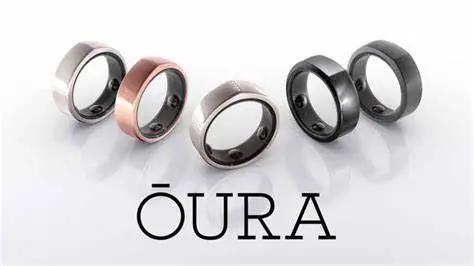
The evolution of wearable technology: from pedometers to smart rings traces the remarkable advancements in wearable devices, highlighting how compact designs like the Oura Ring now deliver comprehensive health monitoring previously unavailable in earlier gadgets.
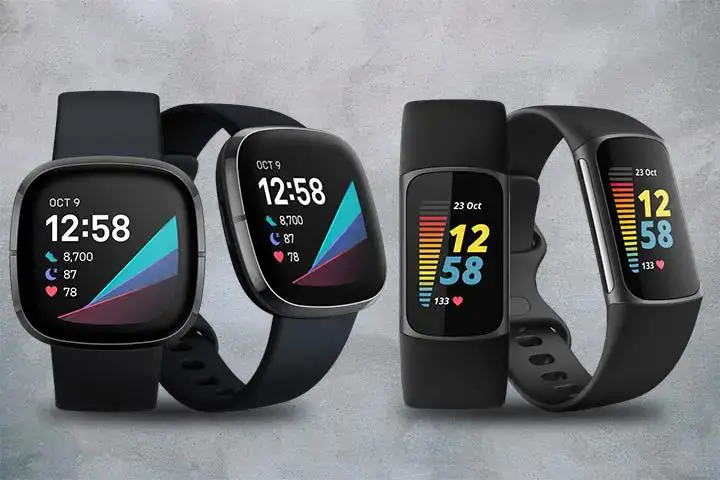
2. Fitbit Sense 2 & Fitbit Charge 5
Fitbit devices use advanced sensors to monitor sleep cycles, breathing rate, and stress levels. The Fitbit app provides a “Sleep Score,” helping users understand their overall sleep quality and identify areas for improvement.
Can wearable devices detect early signs of diseases? Emerging research suggests that continuous monitoring through wearables may help identify subtle changes in health indicators, potentially allowing for earlier detection and intervention of various medical conditions.
3. Apple Watch Series 9 & Ultra 2
Apple’s sleep tracking features have improved significantly, now offering sleep stage analysis and heart rate monitoring.
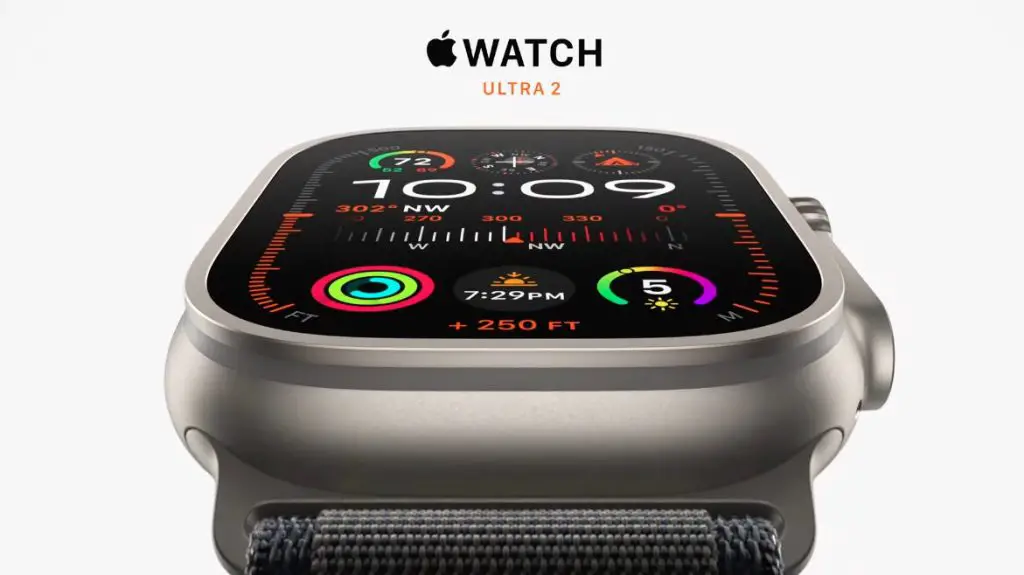
While not as specialized as other devices, its seamless integration with Apple Health makes it a great all-around option.
4. WHOOP Strap 4.0
WHOOP is a wearable device primarily created for athletes and fitness lovers, delivering comprehensive insights into sleep quality, physical strain, and recovery status. It tracks various sleep stages in detail, measures the intensity of daily exertion, and monitors how well the body recovers after workouts or strenuous activities.
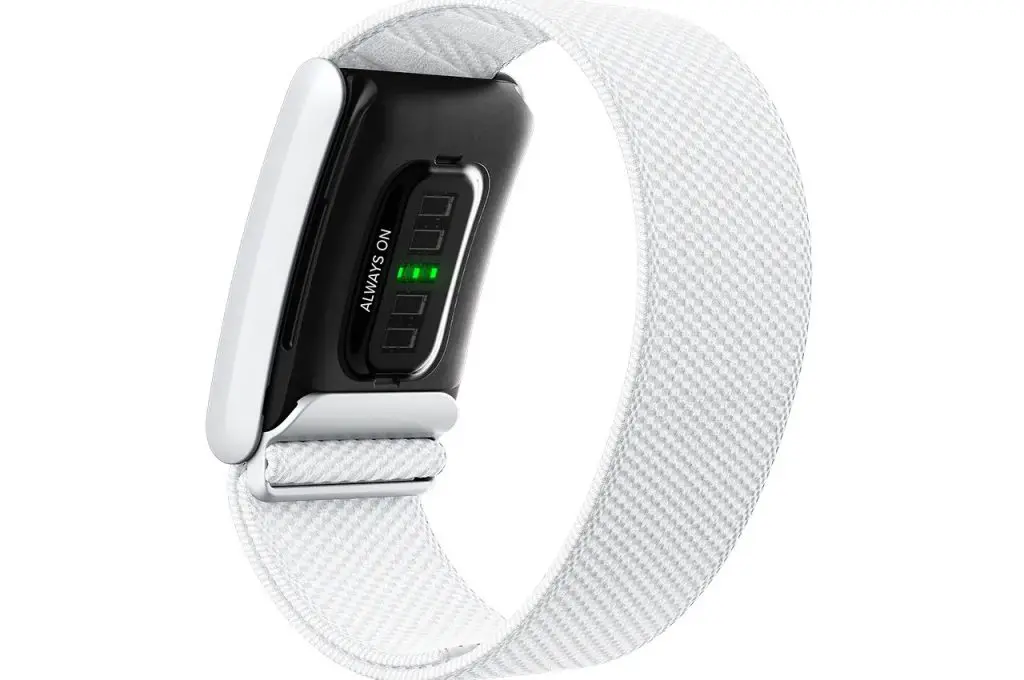
By analyzing this data, WHOOP offers customized advice tailored to each user’s unique needs, helping them optimize their sleep patterns and enhance overall recovery. This personalized feedback supports improved athletic performance and promotes better health and well-being over time.
Conclusion
Wearable sleep trackers provide valuable insights into sleep health, helping users make lifestyle changes for better rest. Whether you need a lightweight ring, a feature-packed smartwatch, or an athlete-focused tracker, there are plenty of options to suit different needs. As sleep technology advances, wearables will continue to play a crucial role in improving sleep quality and overall well-being.