As seniors encounter challenges such as loneliness and health decline, AI-powered companions are becoming vital tools to offer emotional support, timely reminders, and interactive engagement. These intelligent assistants are revolutionizing elderly care by providing companionship, cognitive stimulation, and continuous health monitoring, helping to make the aging process more comfortable and fulfilling.
In addition to AI companions, smart glasses are enhancing vision for seniors by improving their ability to see clearly and navigate daily life more safely. These advanced wearable devices can adjust focus, amplify images, and even provide real-time information about the environment, empowering seniors to maintain independence and confidence. Together, AI technology and smart glasses are reshaping the future of senior care by addressing both emotional and physical needs.
1. Emotional Support and Conversation
AI companions like ElliQ and Replika are transforming the way seniors experience daily life by engaging them in meaningful, emotionally supportive conversations. Using advanced natural language processing, these devices can recall previous interactions, allowing for more personalized and engaging dialogue. As a result, they help reduce feelings of loneliness and isolation, offering seniors a sense of connection and continuity.

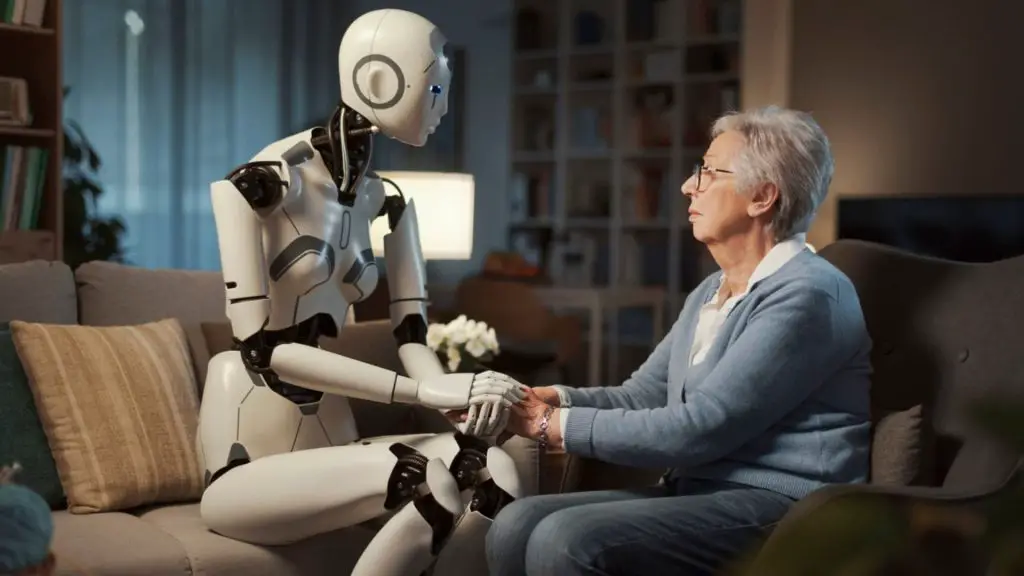
Expanding beyond virtual companionship, the role of robotics in elderly care and assistance is becoming increasingly important. Robotic caregivers are being designed to assist with mobility, medication reminders, and even physical tasks like lifting or fetching items. These technologies complement AI companions by offering both emotional and physical support, enhancing independence and improving overall quality of life for aging individuals.
2. Medication and Health Monitoring
AI companions play a vital role in helping seniors manage their medications and health routines with greater ease and reliability. Devices like Pria by Black & Decker are designed to dispense medication on schedule while providing voice reminders to ensure doses aren’t missed. In addition, many AI-powered assistants can monitor vital health indicators such as heart rate, sleep quality, and daily activity levels—sending alerts to caregivers if anything appears out of the ordinary.

Building on this foundation, the role of robotics in elderly care and assistance is expanding rapidly. Robotic systems are being developed to perform tasks that support physical well-being, such as helping seniors move around safely, lifting heavy objects, or even providing assistance during rehabilitation exercises. These robotic aids work hand-in-hand with AI health monitors to deliver a comprehensive care solution, promoting both independence and peace of mind for seniors and their families.
3. Cognitive Stimulation and Memory Assistance
Many AI-powered companions offer brain games, storytelling, and trivia to keep seniors mentally active.

They can also assist those with dementia by providing memory prompts, reminding them of important events, and helping them recognize familiar faces.
4. Smart Home Integration for Ease of Living
AI companions can be connected to smart home devices, allowing seniors to control lights, thermostats, and security systems with voice commands.

This integration enhances safety and convenience, enabling older adults to live independently.
5. Virtual Assistance for Daily Tasks
From scheduling appointments to setting reminders for meals, AI companions simplify daily life.

Devices like Amazon Alexa and Google Assistant assist seniors with shopping lists, weather updates, and transportation arrangements.
6. Future Advancements in AI Companions
As AI continues to evolve, future companions will become even more intuitive, offering personalized recommendations, detecting mood changes, and responding with greater empathy. Robotics advancements may also allow for humanoid AI caregivers that provide physical assistance.

AI companions are revolutionizing elderly care by enhancing emotional well-being, improving daily routines, and promoting independence. As technology progresses, these intelligent assistants will play an even greater role in supporting seniors and enriching their lives.